
The Winter Before the War: London on the Eve of the Civil War, December 1641
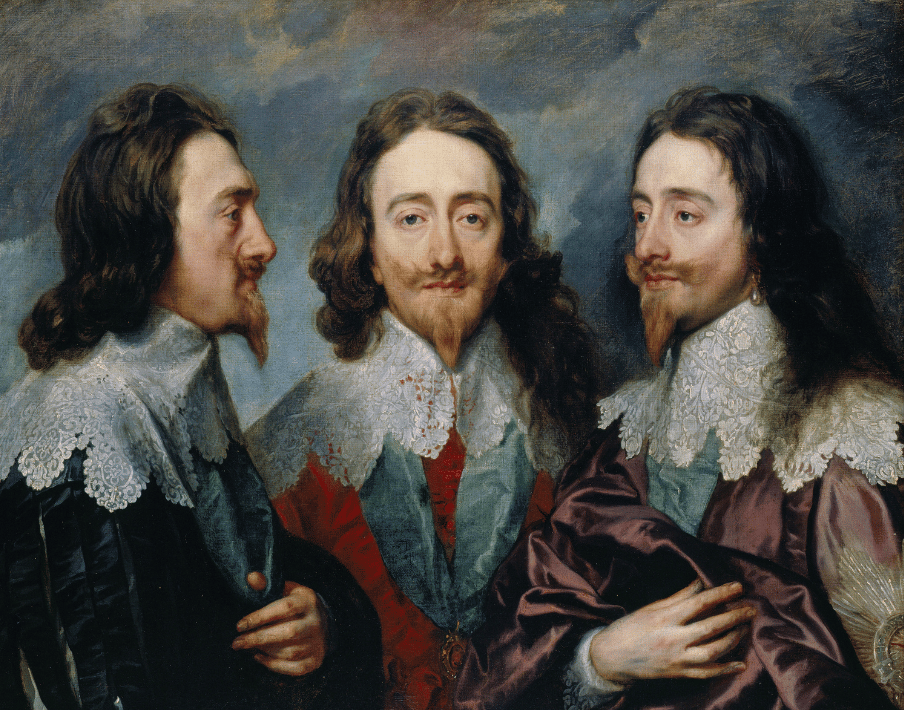
Anthony Van Dyck, Charles I, c. 1635. Oil on canvas, 84.4 x 99.4 cm., Royal Collection, Details on Google Art Project - BQHR9te2WWtyOA at Google Cultural Institute, Wiki Commons.
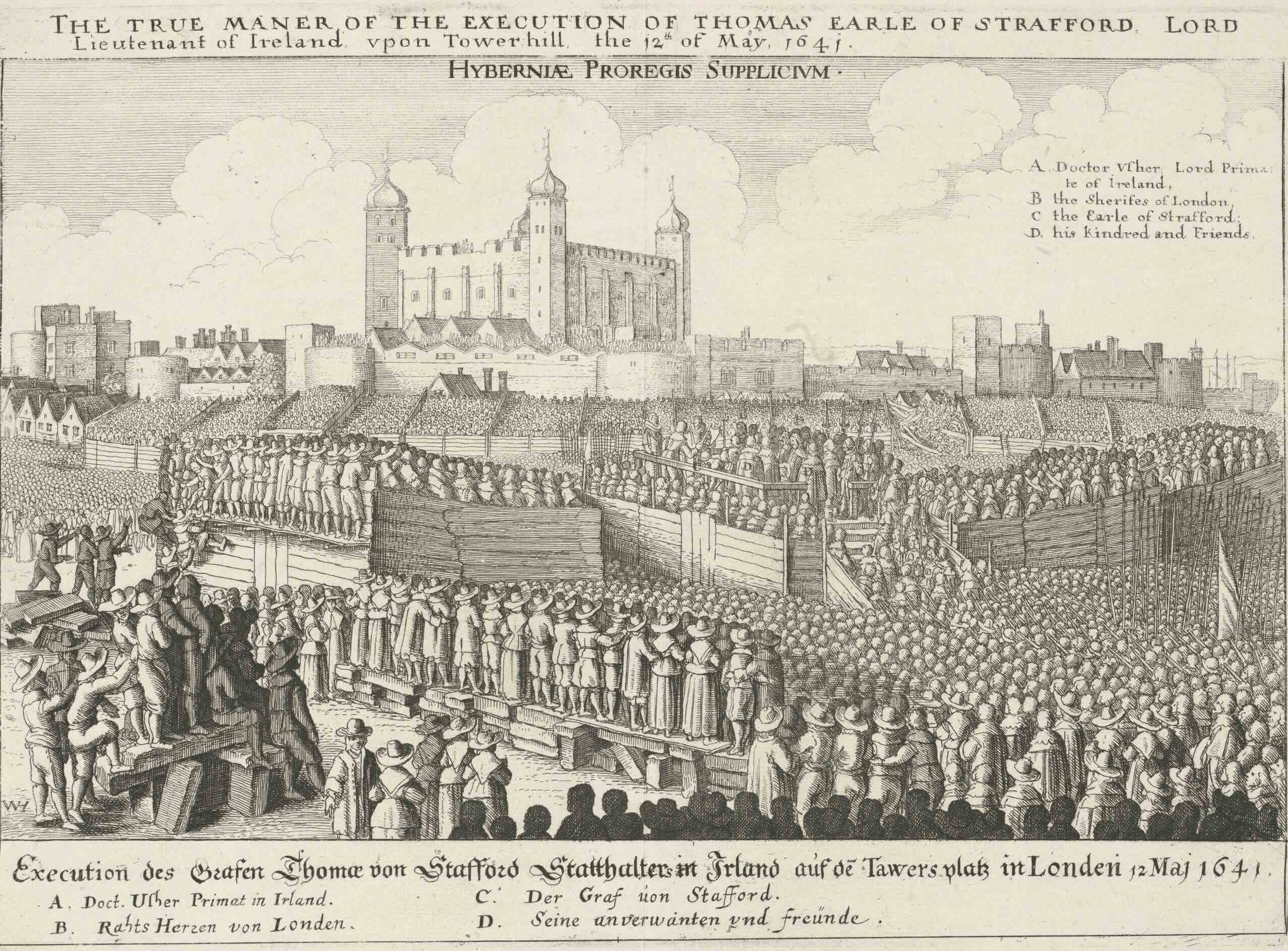
Wenceslaus Hollar, The true maner [manner] of the execution of Thomas Earle of Strafford, 1641. Etching, plate: 18.6 × 26.4 cm., Metropolitan Museum of Art, object number: 17.3.3280.https://www.metmuseum.org/art/collection/search/360634
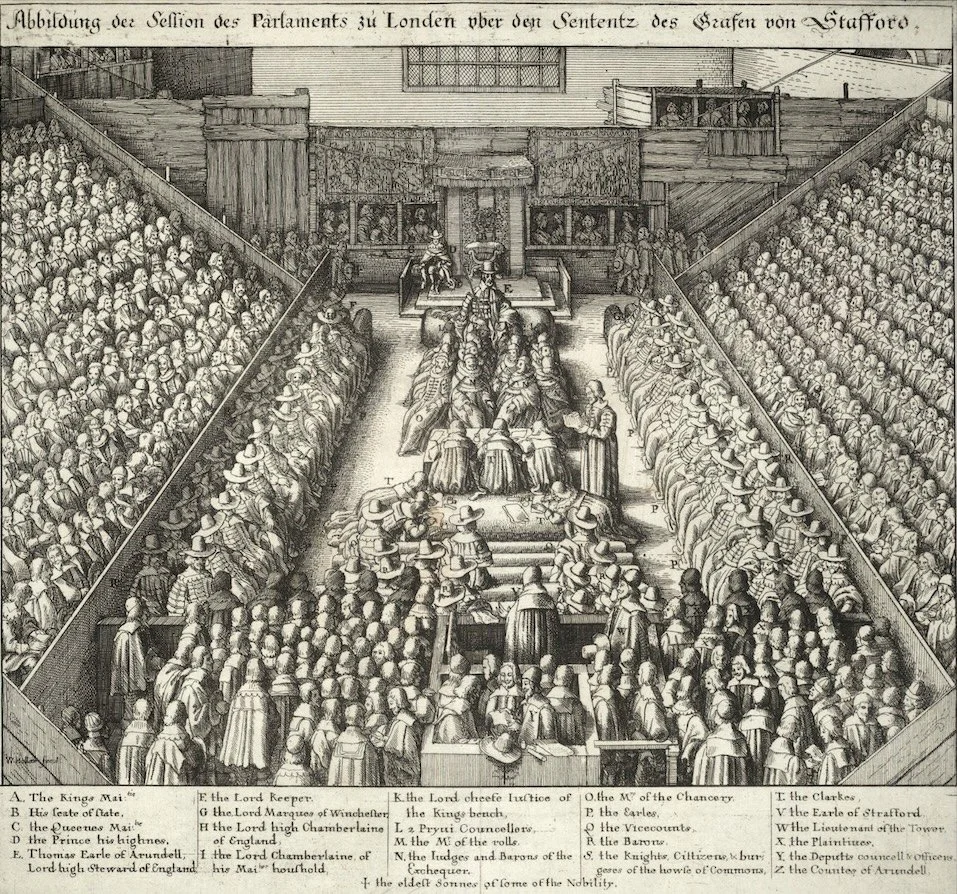
Wenceslaus Hollar, Trial of Strafford, c. 1641. Engraving. 26 x 28 cm., Wenceslaus Hollar Digital Collection, University of Toronto.
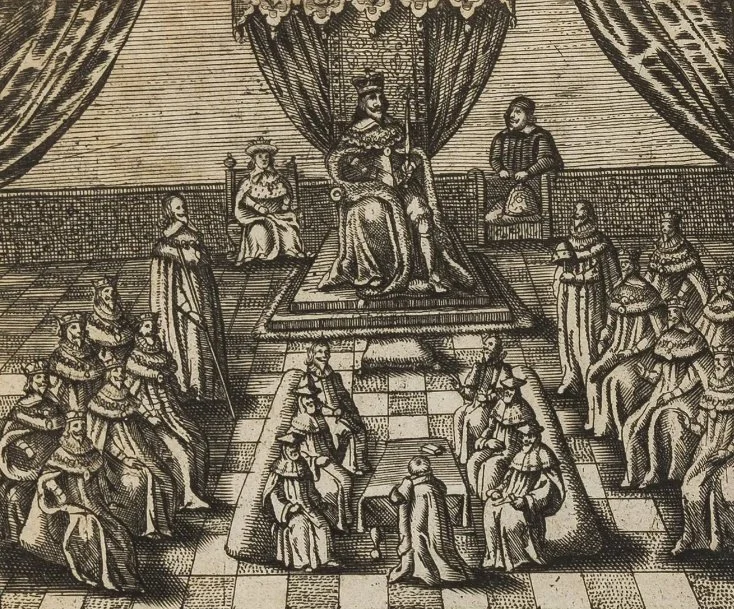
Engraved frontispiece from Exact Collection (An) of All Remonstrances, Declarations, Votes, Orders, Ordinances, Proclamations, Petitions, Messages, Answers and other Remarkable Passages betweene the Kings most Excellent Majesty, and his High Court of Parliament beginning at his Majesties return from Scotland, being in December 1641 and continued untill March the 21, 1643, London, 1643.
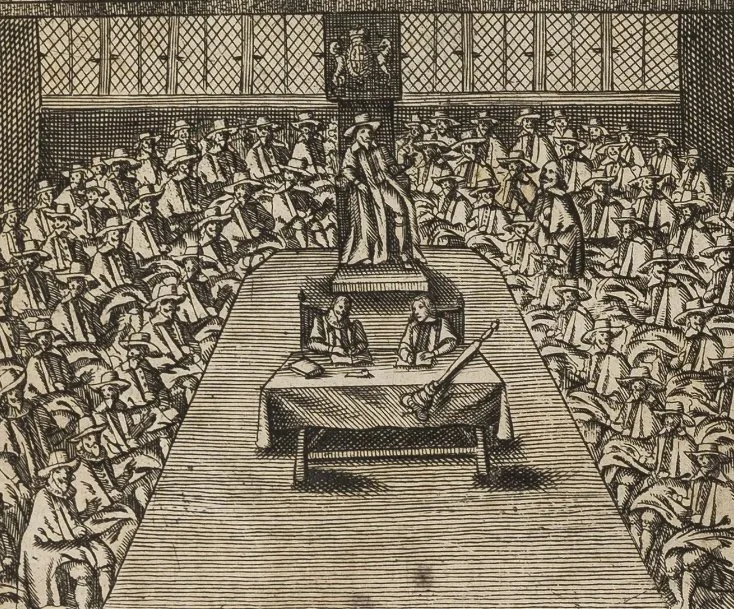
December 1641 is one of the great held breaths of English history, and most of the people living through it had no idea.
By that winter, the machinery of the country was visibly failing. The King and his Parliament were locked in a quarrel that would not resolve — that November, Parliament had passed the Grand Remonstrance, a furious list of grievances against Charles I, by the narrowest of margins. London was restless and frightened; apprentices rioted; crowds gathered at Westminster; nobody was quite sure who held authority any more. Within weeks the King would attempt to arrest five members of Parliament by force, fail, and flee his own capital. Within months, the country would be at war with itself — a civil war that would end, eventually, with a king's head on a block.
But that is our view, with the ending already in hand. Stand inside December 1641, and it looks different. People still bought bread and haggled over it. They still fell in love, cheated their neighbours, worried about the rent, and sat for their portraits. A painter still argued with his apprentice about which commissions were beneath them. Life went on, half-noticing the ground opening under it, because life always does.
This is the London my novel lives in — freezing, filthy, funny, and quietly doomed. And my two painters are so entirely consumed by their own survival, their own schemes, their own desperate small ambitions, that they barely register the country ending around them. One of them dismisses a parliamentarian's commission as beneath his dignity — "fools at best, traitors at worst" — apparently unaware that the parliamentarians are about to win.
The question this raises
There is something both absurd and deeply moving about people pursuing their private ambitions on the lip of catastrophe — scheming for a studio and a patron while a civil war gathers just offstage. It's easy to call it short-sighted. But I'm not sure it is. What else are we supposed to do? We can't live at the scale of history; we live at the scale of the rent, the next commission, the person across the room. So I keep asking: when the larger world is coming apart, is it folly to keep chasing your own small dreams — or is it the most human thing there is, the thing that keeps us upright while the big picture burns?
The part that fascinates me
Writing people who don't know what's coming is one of the strange, particular pleasures of historical fiction, and it carries a quiet ache. I know what December 1641 is the eve of. My characters don't. Every time Antonis sneers at the parliamentarians as "fools at best, traitors at worst," I'm aware — and hope the reader is faintly aware — that he is on the wrong side of a war he doesn't yet know he's in.
I try not to overplay it; nobody should feel lectured about history they can already sense coming. But that dramatic irony — the reader knowing what the characters can't — is one of the deepest tools the form gives you. It turns an ordinary argument about commissions into something quietly doomed.
